
Peak Electricity Times in Ireland: Avoid Expensive Hours with Solar & Battery
Irish electricity prices hit their highest point between 5pm and 7pm on weekday evenings — when families are cooking, heating water and running appliances just as solar generation is dropping off. This is the peak period most households should try to avoid, and it's where a solar battery delivers its biggest saving.
When is electricity most expensive in Ireland?
On standard smart-meter tariffs, the most expensive time is typically 5pm–7pm Monday to Friday. Some suppliers also charge a higher day rate from 8am to 11pm, with a cheaper night rate from 11pm to 8am. The exact windows vary by supplier — Electric Ireland, Bord Gáis and Energia each publish their time-of-use bands online — but the evening peak is consistently the costliest window.
How much extra do peak hours cost?
- Standard day rate: 35–40c/kWh (including VAT and standing charge spread)
- Peak evening rate (5pm–7pm): 40–50c/kWh on some time-of-use tariffs
- Night rate (11pm–8am): 15–22c/kWh
- Average Irish home uses 30–40% of its daily electricity in the evening peak
How solar panels help
Solar panels generate most of their power between 10am and 4pm. If you're home during the day, you can use that power directly and avoid buying peak-priced electricity later. The problem is that most people use the most electricity after work — right when solar output is falling. That's where a battery bridges the gap.
How battery storage beats peak rates
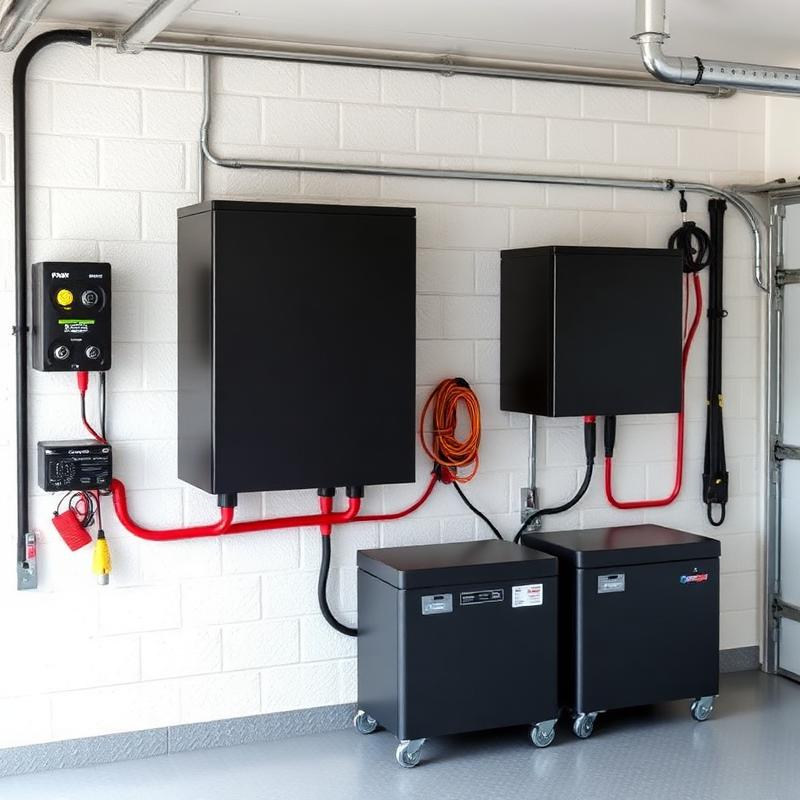
A 5–10 kWh home battery stores the solar power you don't use during the day and releases it in the evening. Instead of buying electricity at 40–50c/kWh during the peak, you use your own stored solar at an effective cost of zero. For a typical home, this pushes self-consumption from 40% to 75–80% and can cut the annual bill by an extra €400–€700.
Smart tariffs and time-of-use
Some suppliers let you charge the battery from the grid at night rates (15–22c/kWh) and discharge during the peak. This is called arbitrage and works well in winter when solar is low. Pairing a battery with a heat pump or EV charger also helps — both can be programmed to run on cheap night or solar power rather than peak-time electricity.
Bottom line
Peak electricity times in Ireland are 5pm–7pm, and that's exactly when a home battery earns its keep. Solar PV generates cheap daytime power; the battery stores it and releases it during the expensive evening peak. For Irish homes on a smart meter, the combination of solar + battery is the fastest way to cut the most expensive part of the bill.
Peak electricity times by supplier (2026)
- Electric Ireland Smart Drive: peak 5pm–7pm, day 8am–11pm, night 11pm–8am
- Bord Gáis Smart: peak 5pm–7pm weekdays, standard 8am–11pm, night 11pm–8am
- Energia Smart Data: peak 5pm–7pm, day 8am–11pm, night 11pm–8am, plus a free-hours window most Sundays
- SSE Airtricity Smart Saver: peak 5pm–7pm, discounted weekend rate on Saturdays
- Pinergy 4Rate: peak 5pm–7pm, boost rate 7pm–11pm, day and night bands
Peak electricity times FAQ
Are peak electricity times the same at weekends? No. Most Irish smart tariffs only apply the 5pm–7pm peak on weekdays. Saturdays and Sundays are usually charged at the day rate, and several suppliers add a discounted weekend or Sunday free-hour window.
Is it cheaper to run the dishwasher and washing machine at night? Yes — on a smart tariff, running the dishwasher, washing machine or dryer between 11pm and 8am typically costs less than half of what the same cycle costs in the 5pm–7pm peak. Use the delay-start timer on the appliance.
How much can a solar battery actually save at peak times? A 5 kWh battery paired with a 4 kW solar system typically shifts 4–6 kWh a day away from the peak. Over a year that's €400–€700 off the bill for a typical 3-bed Irish home, and more in homes with an EV or heat pump.
Do I need a smart meter to benefit? For time-of-use pricing, yes — but even on a flat rate, avoiding grid consumption at peak times still reduces overall usage. Every ESB Networks smart meter installed since 2019 supports smart tariffs; you just need to opt in with your supplier.
Day, night and peak electricity rates in Ireland (2026)
Time-of-use tariffs split the 24 hours into three or four bands. The spread between the night rate and the evening peak is where all the savings sit: shifting a single 3 kWh appliance cycle out of the peak and into the night band saves about 80c, and a whole household's evening load is worth far more.
- Night (11pm–8am): 15–22c/kWh — best window for EV, immersion, dishwasher, washing machine and grid-charging a battery
- Day (8am–5pm): 30–38c/kWh — solar covers most of this window from March to October
- Peak (5pm–7pm weekdays): 40–50c/kWh — cooking, showers and TV all land here
- Late evening (7pm–11pm): back to the day rate on most tariffs, cheaper than peak
- Standing charge: roughly €230–€280/year regardless of the band you use
A practical daily routine on a smart tariff
- Set the dishwasher and washing machine on delay start for after 11pm
- Heat the hot water cylinder from solar at midday, or on the night rate in winter
- Schedule EV charging to start at 11pm (or from solar surplus at weekends)
- Program the battery to hold charge for the 5pm–7pm window rather than discharging at 3pm
- Run the heat pump harder in the afternoon and coast the house through the peak
Estimated figures only. Savings, payback, generation and running-cost numbers shown are indicative estimates, not guarantees. Actual results depend on your system size, roof orientation, shading, electricity tariff, self-consumption, grant eligibility, property condition and other factors. Contact us for a free survey and a fixed, tailored quote.
Get a free quote for your home
SEAI-registered installer. Free survey, free quote, full grant paperwork handled.