
Air to Water Heat Pump Ireland: How It Works & SEAI Grant
An air-to-water heat pump is a low-carbon central heating system. An outdoor unit extracts heat from ambient air and a refrigerant cycle upgrades that heat to 45–55°C — hot enough to feed your existing radiators, underfloor heating and hot water cylinder. It's the most popular heat pump type in Ireland because it's a direct swap for an oil or gas boiler.
How the system actually works
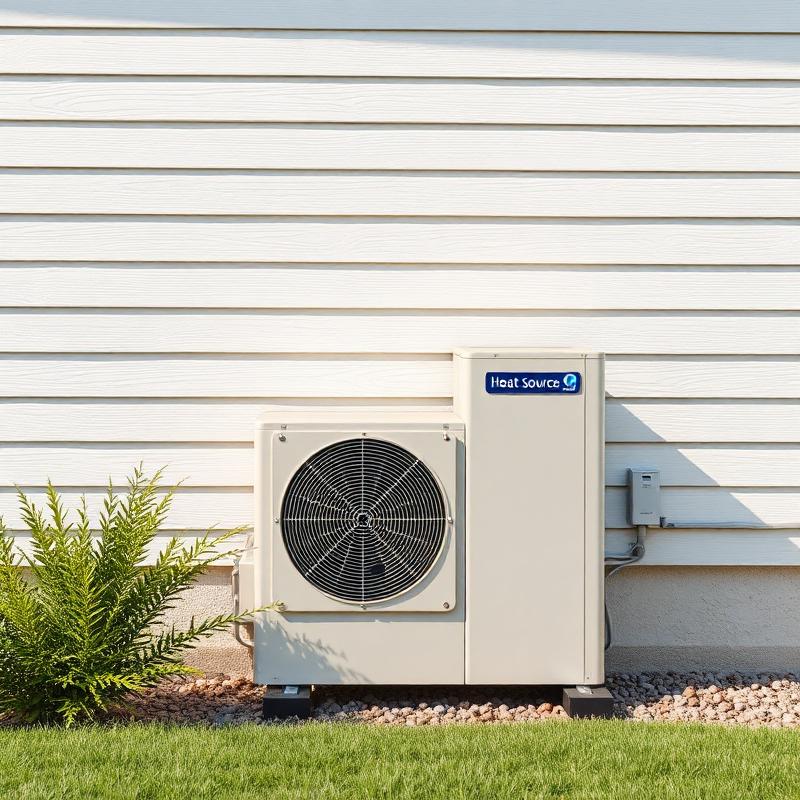
- Outdoor unit (looks like a small fridge) draws in outside air
- A refrigerant evaporates, is compressed, and releases heat into your water loop
- Hot water circulates through radiators, underfloor pipes and a buffer tank
- A small indoor hydrobox manages controls, pumps and the hot water cylinder
- Typical flow temperature: 45–55°C (vs 70–80°C for a boiler)
Is your home suitable?
Air-to-water systems run at lower water temperatures than boilers, so heat-loss matters. The SEAI requires a Heat Loss Indicator (HLI) of 2 W/m²K or better — most Irish homes built after 2006 already pass, and older homes can usually qualify after attic and cavity insulation. A registered assessor surveys your home and confirms in writing before the grant is approved.
Cost, grant and payback
- Fixed quote after free technical assessment
- SEAI grant: €6,500 standalone, €12,500 via One Stop Shop
- Grant deducted at source — no waiting for reimbursement
- Annual running cost (3-bed): €1,000–€1,400 with a smart night tariff
- Annual saving vs oil: €600–€1,500
How it pairs with solar PV
A 4–6 kW solar PV array typically covers 25–35% of a heat pump's annual electricity. Add a battery and a smart tariff (charging cheap overnight, running on solar by day) and many homeowners cut total heating + electricity bills below €1,200 a year — for a home that used to spend €2,500+ on oil and power.
Bottom line
For most insulated Irish homes currently heated by oil, an air-to-water heat pump is the obvious next step — quieter, cleaner, grant-aided and around half the running cost. Future Energy specifies, supplies and installs leading brands and handles the full SEAI grant paperwork on your behalf.
Air to water vs air to air heat pumps
Air-to-water systems heat water for radiators, underfloor and your hot water cylinder — this is what SEAI grant-aids and what suits Irish central-heating homes. Air-to-air systems blow warm air into rooms (like split AC) and don't provide hot water, so they don't qualify for the €6,500 SEAI grant and are rare in Ireland outside apartments and extensions.
Installation timeline: what to expect
- Week 1: technical assessment (heat loss survey, HLI calculation)
- Week 2–3: SEAI grant application submitted and approved
- Week 4–6: install week — typically 3–5 days on site, boiler removed, hot water cylinder replaced, outdoor unit sited, commissioning
- Week 6–8: BER reassessment and SEAI grant paid to homeowner
Air to water heat pump FAQ
Can I keep my existing hot water cylinder? Usually no — heat pumps need a larger, well-insulated cylinder with a big surface-area coil (typically 200–300 litres). Cylinder replacement is included in most quoted install prices.
Do I need a buffer tank? Modern inverter-driven heat pumps often don't require one, especially with underfloor heating. Systems with lots of radiators or zone valves may need a small (30–50 L) buffer to prevent short-cycling. Your installer sizes this at design stage.
Will an air-to-water heat pump increase my electricity bill? Yes — expect an extra 3,000–5,000 kWh a year. But your oil, LPG or gas bill drops to zero, and the net saving is typically €600–€1,500 per year in a well-insulated home.
What maintenance does an air-to-water heat pump need? An annual service (€150–€220) covering refrigerant pressures, filter clean, expansion vessel check and control firmware update. No chimney sweep, no oil tank inspection, no burner service.
Estimated figures only. Savings, payback, generation and running-cost numbers shown are indicative estimates, not guarantees. Actual results depend on your system size, roof orientation, shading, electricity tariff, self-consumption, grant eligibility, property condition and other factors. Contact us for a free survey and a fixed, tailored quote.
Get a free quote for your home
SEAI-registered installer. Free survey, free quote, full grant paperwork handled.